


Spring is upon us in the Northern hemisphere. Consider this: we are in a perfect orbit around the sun. Because of the 23.5 degree “tilt” of the earth’s axis compared to the plane of the sun and earth, we have seasons. While we enjoy the arrival of Spring, my friends in the Southern Hemisphere enjoy Fall or Autumn.
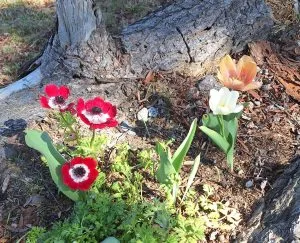
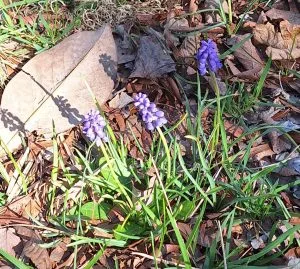 Early Spring is a treat for us every year. Flowers are obvious because their colors are in stark contrast to our North Carolina forests that are still mostly brown in early March. From early crocuses and daffodils to a variety of native and naturalized plants, early spring flowers are a delight to watch in late February through March.
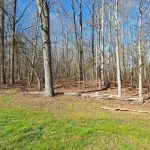 Fields and yards begin to “green up” as Winter loses its grip. Grasses are one of the most abundant types of plants that mark our Winter to early Spring. Around our rural home, grasses also mark a transition for animals, who had been dependent on hay or dried grain during Winter. Now they are busy eating fresh grass or lying in the field in the early Spring sun.
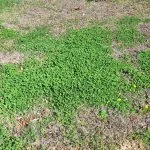 In my yard, where clearing recently occurred and dirt was rearranged, bright green clover patches are quickly emerging. Clover is amazing in itself because it can survive a variety of soil conditions and increases the nitrogen in weak soils. In a few weeks, they will bloom and bring a host of bee activity.
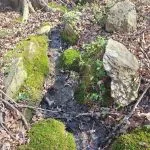 Around streams and ponds, mosses are turning from a dull green to a bright green. Spring rains generally raise water levels. Water ecosystems begin to come out of dormant conditions. Honeysuckle vines near our pond have already grown 4 to 6 inches. Honey suckle is considered a nuisance by most, but when it blooms in a month or so, the flowers will perfume the landscape like no other plant and are a target for bees.
Some trees, like our soft maple and red bud show color first. Within a couple of weeks, other deciduous trees are showing first leaves. Within days, pollen will be heavy, leaving a yellow layer on outdoor surfaces. The first leaves of trees seem so tender, but they are resilient to sudden rains and thunderstorms. That, too, is all by design.
The image below shows a section of our front yard where you can see a naturalized holly, the red tint of an early maple, and the tall willow oak beginning to show its first emerging spring-green leaves. Color and contrast of this scene are striking in early Spring. Yesterday, I walked around the holly, which is blooming. It was so full of honeybees that the tree appeared to be moving. Those bees also mark the sequential blooming of varieties of plants as they go from early types of blooming plants to those that bloom later. They are still the world’s best pollinators. 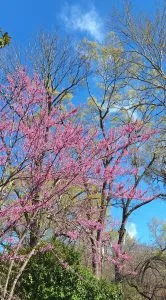
Why is this worth observing? It is because it was created by the Lord Almighty as recorded in Genesis 1 and 2. And, the process of seasons was further promised to continue when God speaks to Noah after the Genesis Flood:
“While the earth remains, seedtime and harvest, cold and heat, summer and winter, day and night, shall not cease.” (Genesis 8:22, ESV).
The planet was designed to be productive and point to His handiwork in a deliberate manner so that we, who were created in God’s image, would have a habitat that is both amazing and suitable for food production. And for what purpose is all of this? From the beginning, God wanted a people to love who would love Him. Even with things broken from sin, He awaits those who will turn from their ways and join His. Let Spring be a reminder, and perhaps even a decision point, to acknowledge the One who made us and made Spring and the seasons possible for us to observe and enjoy.
